
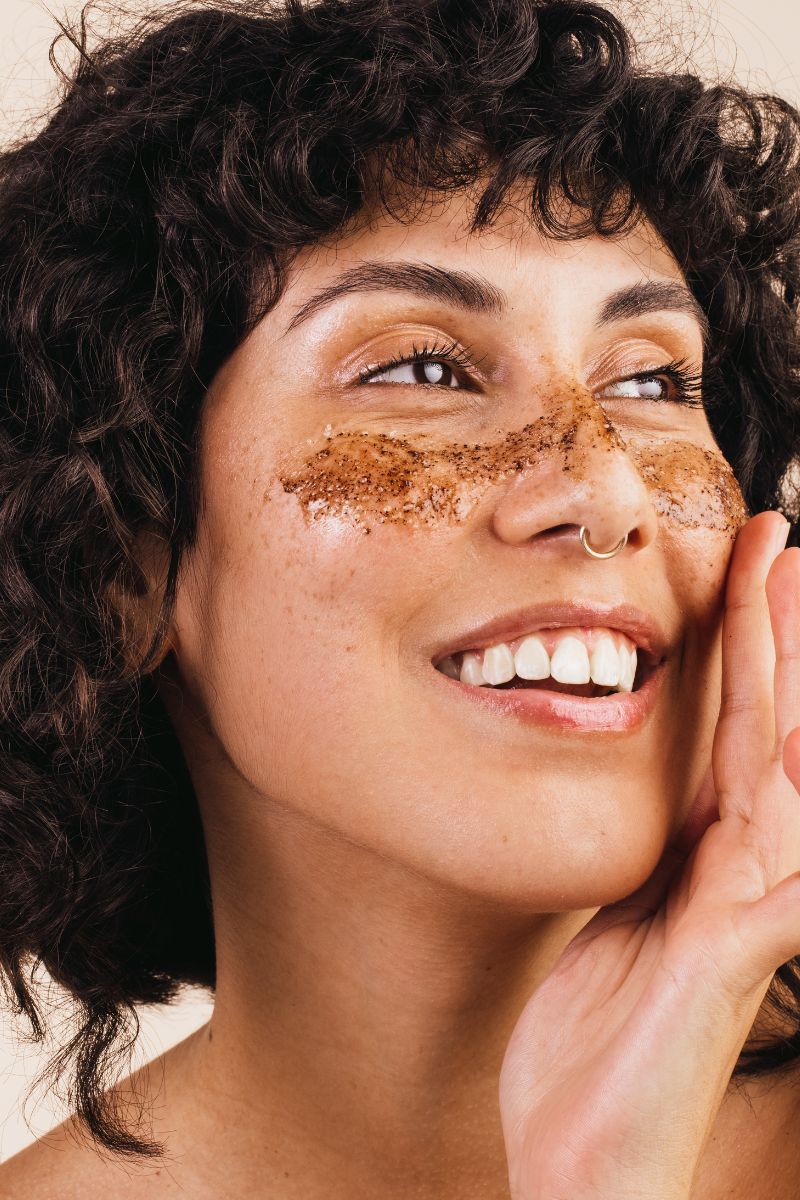
The Ultimate Guide to Facial Exfoliation: Methods, Tips & Benefits

Are you looking to achieve smoother, brighter, and healthier-looking skin? Facial exfoliation might just be the missing piece in your skincare routine! In this comprehensive guide, we’ll explore everything you need to know about exfoliating your face, from different methods to best practices for maintaining a healthy and radiant complexion. Whether you’re new to skincare or looking to refine your routine, read on to discover the secrets to exfoliation success!
Understanding Facial Exfoliation
Facial exfoliation is the process of removing dead skin cells from your face’s surface, revealing fresher, brighter skin underneath. It’s a crucial step in any skincare regimen, as it helps improve skin texture, unclog pores, and promote cell turnover. However, like many good things in life, moderation is key. Over-exfoliating can potentially harm your skin barrier, leading to irritation and other issues. Let’s dive into the different exfoliation methods, their suitability for various skin types, and how often you should be exfoliating.
Types of Facial Exfoliation
- Physical Exfoliation
Physical exfoliants typically involve using abrasive particles or tools to manually slough off dead skin cells.
Example: St. Ives Fresh Skin Apricot Scrub, which contains finely crushed walnut shells to gently buff away dead skin cells.
Pros:
- Immediate gratification with smoother skin
- Can be tailored to individual preferences regarding pressure and intensity
Cons:
- May cause microtears in the skin if too harsh or abrasive
- Not suitable for sensitive or acne-prone skin
Best for: Normal to oily skin types with resilient skin Frequency: 1-2 times per week.
Benefits: Buffs away rough, dry patches and enhances the effectiveness of other skincare products.

- Chemical Exfoliation
Chemical exfoliants utilize acids or enzymes to dissolve dead skin cells and promote cell turnover.
Example: The Ordinary Glycolic Acid 7% Toning Solution, which contains glycolic acid, an alpha hydroxy acid (AHA), to gently exfoliate the skin’s surface.
Pros:
- Offers more controlled and gentle exfoliation compared to physical scrubs
- Can target specific skin concerns such as acne, hyperpigmentation, and fine lines
Cons:
- May cause irritation or peeling if overused or not properly formulated
- Some acids can increase sun sensitivity
Best for: All skin types, including sensitive and acne-prone skin (depending on the type and concentration of the exfoliant).
Frequency: 1-3 times per week, depending on the product and your skin’s tolerance.
Benefits: Improves skin texture, fades dark spots, and minimizes the appearance of pores over time.

2a. AHA Exfoliators
AHA (Alpha Hydroxy Acids) exfoliators are water-soluble acids derived from fruits and milk that exfoliate the skin’s surface.
Example: The Ordinary Lactic Acid 10% + HA, which uses lactic acid (an AHA) to exfoliate and hydrate the skin.
Pros:
- Improves skin texture and evens skin tone
- Reduces fine lines and wrinkles
- Enhances overall skin brightness
Cons:
- Can cause sun sensitivity
- May irritate sensitive skin if not used properly
Best for: Dry, sun-damaged, or aging skin Frequency: Start with 1-2 times per week, gradually increasing to 3-4 times per week as tolerated.
Benefits: Promotes cell turnover, improves skin texture, reduces signs of aging, and enhances skin hydration.
2b. BHA Exfoliators
BHA (Beta Hydroxy Acids) exfoliators, such as salicylic acid, are oil-soluble acids that penetrate deeper into the pores.
Example: Paula’s Choice 2% BHA Liquid Exfoliant, which uses salicylic acid to exfoliate inside the pores and on the skin’s surface.
Pros:
- Unclogs pores effectively
- Reduces acne and prevents breakouts
- Controls oil production
Cons:
- Can cause dryness or irritation if overused
- May increase sun sensitivity
Best for: Oily, acne-prone, or combination skin.
Frequency: Start with 1-2 times per week, gradually increasing to daily use if tolerated.
Benefits: Clears and minimizes pores, reduces acne and blackheads, balances oil production, and smooths skin texture.
- Enzyme Exfoliation
Enzyme exfoliants contain proteolytic enzymes that break down proteins in dead skin cells, resulting in gentle exfoliation.
Example: Peter Thomas Roth Pumpkin Enzyme Mask, which combines pumpkin
enzyme, AHA, and aluminum oxide crystals for gentle exfoliation.
Pros:
- Suitable for sensitive skin types
- Offers mild exfoliation without abrasive particles or harsh chemicals
Cons:
- May not provide as immediate results as other exfoliation methods
- Less effective for deeply congested pores or stubborn blackheads
Best for: Sensitive or reactive skin types, or individuals seeking a gentle exfoliation option.
Frequency: 1-3 times per week, depending on the product and your skin’s needs.
Benefits: Promotes a radiant complexion, improves skin tone, and enhances the absorption of skincare products.

- Combination Exfoliation
Some individuals may benefit from combining different exfoliation methods to target multiple skin concerns simultaneously.
Example: Paula’s Choice Skin Perfecting 2% BHA Liquid Exfoliant, which combines salicylic acid (a beta hydroxy acid or BHA) with soothing ingredients.
Pros:
- Can address various skin issues such as rough texture, acne, and dullness
- Allows for customization based on individual skin needs
Cons:
- Over-exfoliation can occur if not done carefully
- May require trial and error to find the right combination of products
Best for: Those with specific skin concerns requiring a multifaceted approach.
Frequency: Varies depending on the specific exfoliants used and your skin’s tolerance.
Benefits: Offers a comprehensive approach to skincare, targeting various concerns for overall improved skin health.

Risks of Over-Exfoliation
While facial exfoliation can work wonders for your skin, it’s crucial to avoid overdoing it.
Signs of over-exfoliation include:
- Skin irritation, redness, and inflammation
- Dryness and flakiness
- Increased sensitivity to products and environmental factors
- Paradoxical breakouts
- Microtears and damage to the skin’s surface
- Increased sun sensitivity
If you experience any of these symptoms, scale back on exfoliation and focus on soothing and repairing your skin’s barrier.

Best Practices for Facial Exfoliation
- Start slowly and gradually increase frequency as your skin adjusts
- Always patch test new products before applying them to your entire face
- Follow exfoliation with moisturizer to keep your skin hydrated
- Use sunscreen daily, especially when using chemical exfoliants
- Listen to your skin and adjust your routine as needed
- Consider consulting a dermatologist for personalized advice, especially if you have sensitive or problematic skin

Conclusion
Facial exfoliation is a game-changer when it comes to achieving healthy, radiant skin. By understanding the different exfoliation methods and tailoring your approach to your skin type and concerns, you can unlock the benefits of exfoliation while avoiding potential pitfalls. Remember, consistency and patience are key to seeing results, so stick to your exfoliation routine and watch your skin glow!
With the tips and insights from this guide, you’re well-equipped to embark on your journey to smoother, brighter, and happier skin. Happy exfoliating!
Medical Disclaimer: I am not a doctor, and the content of this blog post should not be interpreted as medical advice. The information presented here is based on general knowledge and research. It is important to consult with a healthcare professional or a qualified dermatologist for personalized advice regarding your skin health and dietary choices. Any reliance on the information in this blog post is at your own risk.
Check out these other skincare articles:

Reveal Radiant Skin: Bridal Skincare Plan for Wedding Day Glow
Planning your wedding 3-4 months in advance is not only practical but also beneficial for your skin. Your skin undergoes a natural renewal process every 28 to 40 days, and by starting a skincare…

Anti-Aging Tips and Tricks for Women: A Holistic Approach to Timeless Beauty
As we journey through life, our skin reflects our experiences and the passage of time. This post explores a holistic approach to anti-aging, covering skincare routines, nutrition, lifestyle changes, and specific products. Embracing aging…

Managing Melasma: Prevention, Treatment, and Lifestyle Tips
Melasma is a common skin condition causing dark patches on the face, affecting millions worldwide. It’s more common in women and can be triggered by hormonal changes, sun exposure, genetics, and certain medications. Prevention…