
Managing Melasma: Prevention, Treatment, and Lifestyle Tips
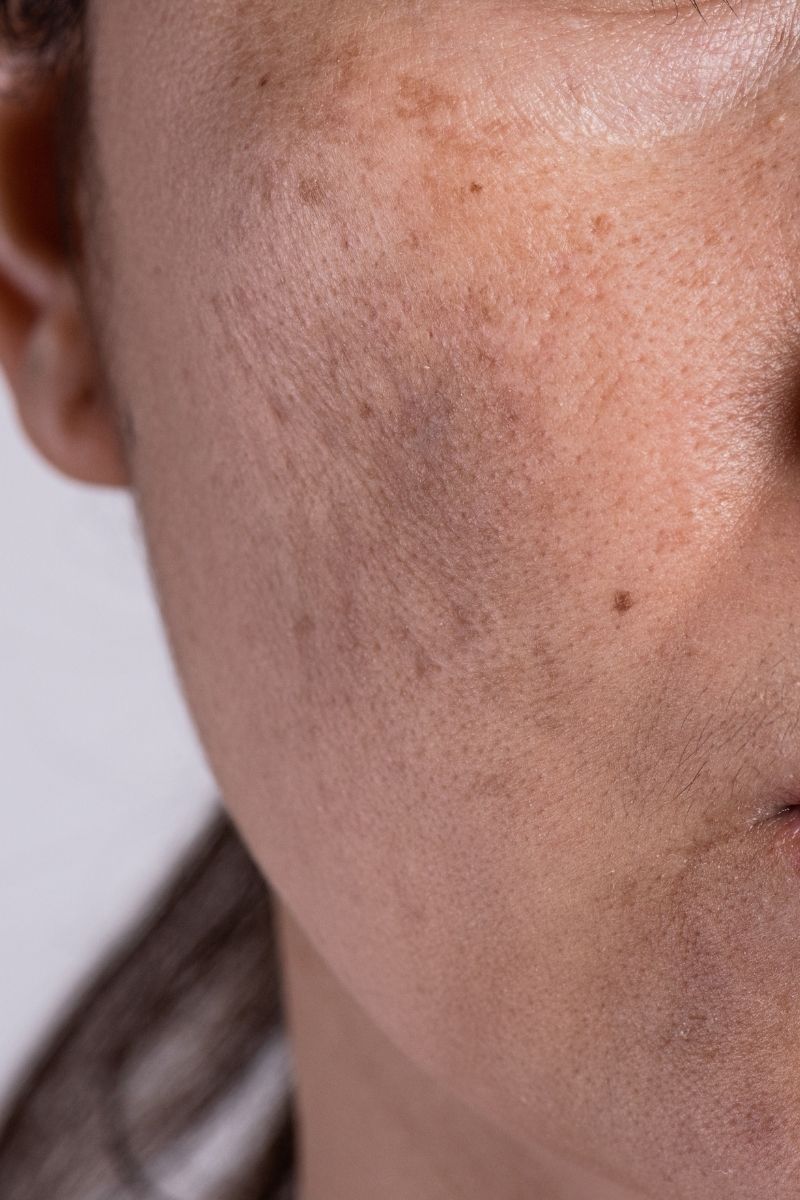
Melasma is a common skin condition that affects millions of people worldwide. Characterized by dark, discolored patches on the skin, melasma can be a source of frustration and self-consciousness for those who experience it, myself included. In the past couple of years, I’ve developed Melasma on my forehead and a little on my cheeks. I am completely to blame, as sunscreen wasn’t a big priority in my 20’s. I am now paying the price, but I have since learned my lesson. I have researched every viable option to minimize and reduce melasma. In this blog post, we’ll explore what melasma is, its causes, and how to prevent and treat it effectively.

What is Melasma?
Melasma is a common skin condition that causes brown to gray-brown patches on the skin. These patches typically appear on the face, but they can also show up on the forearms and neck. There are three types of melasma based on where the pigment is located in the skin:
Epidermal Melasma (top layer). The pigmentation is usually more defined and appears darker brown. Epidermal melasma is often easier to treat as the pigment is closer to the skin’s surface, making it more responsive to topical treatments and light-based therapies.
Dermal Melasma (deeper layer), pigmentation appears as a lighter brown or grayish color and tends to be less well-defined than epidermal melasma. Dermal melasma is more challenging to treat because the pigment is deeper in the skin, making it less responsive to topical treatments.
Mixed Melasma (both layers). It presents a combination of both types of pigmentation, with patches of varying shades of brown and gray. Mixed melasma is the most common type and can be the most challenging to treat due to the presence of pigment in multiple skin layers.
Identifying the type of melasma is essential for dermatologists to tailor an effective treatment plan. While melasma is not harmful, it can significantly impact a person’s quality of life and self-esteem, making proper diagnosis and treatment vital.
How Many People Suffer from Melasma?
You’re not alone if you’re experiencing melasma. This condition affects millions of people worldwide. It’s more common in women, especially those with darker skin tones, but men can also get it. Hormonal changes, such as those during pregnancy or from taking birth control pills, can increase your risk. In fact, melasma is sometimes called the “mask of pregnancy.”

How Do People Get Melasma?
Several factors can contribute to melasma, including:
- Genetic predisposition: If your parents had melasma, you might be more likely to develop it.
- Hormonal changes: Pregnancy, birth control pills, and hormone replacement therapy can all trigger melasma.
- Sun exposure: Ultraviolet (UV) light from the sun stimulates the melanocytes (pigment-producing cells) in your skin.
- Skin type: People with darker skin tones are more susceptible.
- Certain medications and cosmetic products: Some can make your skin more prone to melasma.
How to Prevent Melasma
Prevention is key! Here are some tips to help keep melasma at bay:
- Sun protection: Always wear a broad-spectrum sunscreen with at least SPF 30, even on cloudy days. Don’t forget a wide-brimmed hat and sunglasses.
- Skincare routine: Use gentle, non-irritating products. Avoid harsh scrubs and exfoliants that can aggravate your skin.
- Avoid peak sun hours: Try to stay indoors during peak UV hours, usually from 10 AM to 4 PM.

Treatments to Make Melasma Go Away
If you already have melasma, don’t fret—there are several treatments available:
- Topical Treatments: Creams containing hydroquinone, tretinoin, corticosteroids, azelaic acid, or kojic acid can lighten the dark patches.
- Procedural Treatments: Chemical peels, laser therapy, microneedling, and microdermabrasion can be effective, but should be done by a professional.
- Oral Medications: In some cases, doctors might prescribe oral medications like tranexamic acid to help reduce melasma.

Diet and Lifestyle Tips
What you eat can also affect your skin. Here are some diet-related tips:
- Anti-inflammatory foods: Foods like tomatoes, olive oil, green leafy vegetables, nuts, fatty fish, and fruits can help reduce inflammation.
- Stay hydrated: Drink plenty of water to keep your skin hydrated.
- Antioxidant-rich foods: Incorporate foods high in vitamin C (citrus fruits, berries) and vitamin E (nuts, seeds) to help protect your skin.
- Avoid triggers: Certain medications and high stress levels can worsen melasma, so manage stress and review any medications with your doctor.

Myths and Misconceptions About Melasma
There are many myths about melasma. One common myth is that melasma only affects women. While it’s true that women are more commonly affected, men can develop it too. Another misconception is that melasma is just a cosmetic issue. In reality, it can significantly impact a person’s self-esteem and quality of life. Always consult a dermatologist for accurate information and personalized advice.
Conclusion
To wrap it up, melasma is a common skin condition that can be managed with the right approach. Remember to protect your skin from the sun, use gentle skincare products, and consider seeking professional advice for treatment options. If you have melasma, you’re not alone, and there are many resources and treatments available to help you.
References and Resources
For more information on melasma, consider exploring these resources:
- American Academy of Dermatology (www.aad.org)
- National Library of Medicine (www.ncbi.nlm.nih.gov/pmc/)
- International Journal of Women’s Dermatology
Remember to consult with a dermatologist or healthcare provider before starting any new treatment regimen for melasma.
Medical Disclaimer: I am not a doctor, and the content of this blog post should not be interpreted as medical advice. The information presented here is based on general knowledge and research. It is important to consult with a healthcare professional or a qualified dermatologist for personalized advice regarding your skin health and dietary choices. Any reliance on the information in this blog post is at your own risk.


