
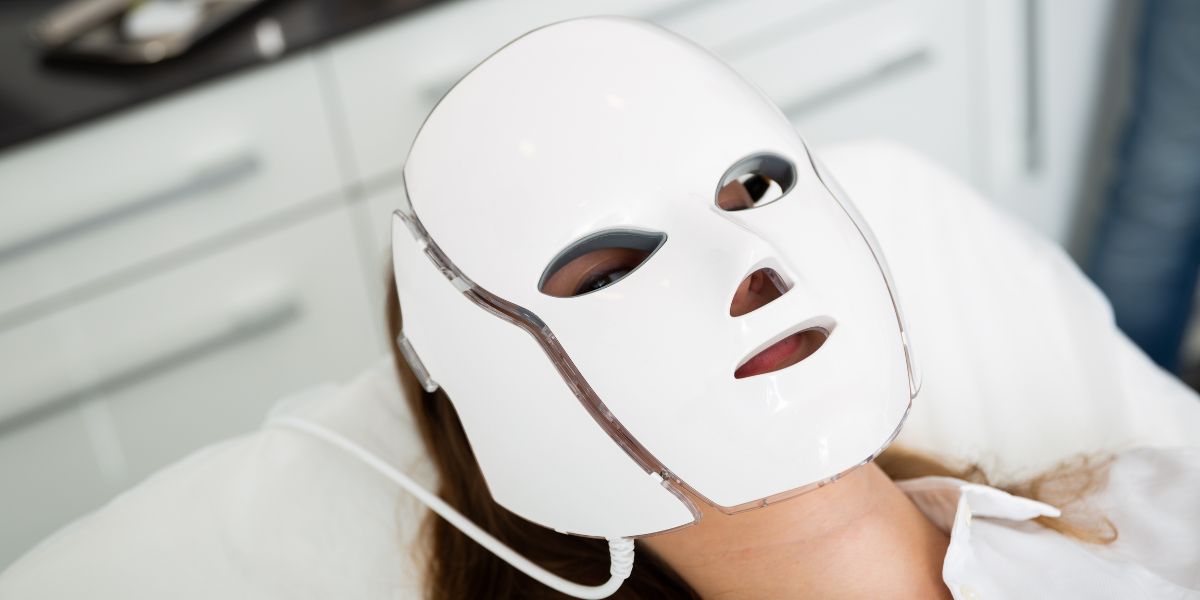
Illuminating Your Skincare Routine: The Power of Light Therapy

Skincare trends come and go, but one innovation that has caught everyone’s attention is light therapy. It’s a technology-driven solution that promises safe and non-invasive care for a wide range of skin issues. Who wouldn’t want a device that gives you a soft glow that envelops your skin, penetrating deep into its layers, rejuvenating cells, and revealing a radiant complexion? That’s the magic of light therapy, backed by years of research and evidence.
Light therapy has become the talk of the town, and it’s easy to see why. With options ranging from dermatology clinics to home devices, it’s more accessible than ever. Plus, each color has unique benefits and properties that can unlock your skin’s full potential.
So let’s explore the world of light therapy, its immense benefits, and which color you should be using for your skin type or skin concerns.

Red Light Therapy:
Red light therapy operates within the wavelengths of 630-700nm, penetrating deep into the skin’s layers to trigger a cascade of rejuvenating effects. Red light therapy is best for all skin types, particularly aging or mature skin. If you’re looking for overall skin rejuvenation and anti-aging benefits, then red light is probably best for your skin goals. Some of the key benefits include:
- Stimulating Collagen Production: By stimulating fibroblast activity, red light therapy promotes collagen synthesis, effectively reducing the appearance of fine lines and wrinkles.
- Improving Skin Tone and Texture: Regular sessions of red light therapy can lead to a more radiant complexion by enhancing skin tone and texture.
- Reducing Inflammation: Its anti-inflammatory properties make red light therapy an excellent choice for calming sensitive skin and reducing redness.

Blue Light Therapy:
Utilizing wavelengths between 405-420nm, blue light therapy targets acne-causing bacteria and regulates sebum production, making it a potent ally in the fight against breakouts. Blue light therapy is best for acne-prone or oily skin. Its benefits include:
- Eliminating Acne-Causing Bacteria: Blue light therapy effectively destroys Propionibacterium acnes (P. acnes), the bacteria responsible for acne, thereby minimizing breakouts.
- Balancing Oily Skin: By regulating sebum production, blue light therapy helps balance oily skin, reducing the likelihood of clogged pores and acne flare-ups.
- Alleviating Inflammation: It also boasts anti-inflammatory properties, soothing redness and inflammation associated with acne.

Green Light Therapy:
Operating within the wavelengths of 520-570nm, green light therapy offers a myriad of benefits for those seeking to calm and rejuvenate their skin. Green light is best for sensitive, rosacea-prone, or hyperpigmented skin types. Some of its advantages include:
- Calming Irritated Skin: Green light therapy has a soothing effect on the skin, reducing redness and inflammation associated with conditions like rosacea.
- Targeting Hyperpigmentation: By targeting melanocytes, green light therapy helps fade hyperpigmentation and even out skin tone.
- Enhancing Lymphatic Drainage: It promotes lymphatic drainage, reducing puffiness and enhancing the skin’s natural detoxification process.

Yellow Light Therapy:
Encompassing wavelengths between 570-590nm, yellow light therapy stimulates circulation and accelerates the skin’s healing process. Yellow light therapy is best for all skin types, particularly those with circulation issues or sensitive skin, and those suitable for individuals looking to promote overall skin health. Its benefits include:
- Promoting Circulation: Yellow light therapy boosts blood flow to the skin, promoting a healthy complexion and natural glow.
- Soothing Sensitive Skin: It effectively reduces redness and soothes sensitive or rosacea-prone skin, making it an ideal option for those with reactive skin types.
- Facilitating Skin Healing: Yellow light therapy accelerates the skin’s healing process, making it particularly beneficial for post-treatment recovery.

How Often Should You Use Light Therapy?
The frequency of light therapy sessions can vary depending on individual skin concerns, the type of light therapy being used, and the recommendations of skincare professionals. Here’s a general guideline for how often you should use light therapy:
Consistency is Key: Light therapy often yields optimal results when used consistently over time. Incorporating it into your skincare routine as a regular practice can help maintain and enhance its benefits.
Initial Treatment Phase: During the initial phase of treatment, especially if targeting specific skin concerns like acne or aging, it’s common to undergo more frequent sessions. This may involve using light therapy several times per week, typically for a duration of a few weeks to a couple of months, depending on the severity of the condition.
Maintenance Phase: Once you’ve achieved the desired results, you can transition into a maintenance phase. During this stage, you may reduce the frequency of light therapy sessions to a few times per week or even once a week to sustain the improvements and prevent the recurrence of skin issues.
Adjustments Based on Skin Response: Pay attention to how your skin responds to light therapy. If you notice any signs of sensitivity or irritation, it may be necessary to reduce the frequency of sessions or adjust the intensity of the treatment.
Consultation with Skincare Professionals: It’s always advisable to consult with skincare professionals, such as dermatologists or aestheticians, before starting any light therapy regimen. They can provide personalized recommendations based on your skin type, concerns, and treatment goals.
Home Devices vs. Professional Treatments: If you’re using a light therapy device at home, carefully follow the manufacturer’s instructions regarding usage frequency and duration. For professional treatments administered in clinics or spas, the frequency and duration of sessions will be determined by the skincare professional based on your individual needs.

Listen to Your Skin: Ultimately, the ideal frequency of light therapy sessions may vary from person to person. Listen to your skin’s needs and adjust your routine accordingly. If you’re unsure about how often you should use light therapy or if you experience any adverse reactions, seek guidance from a qualified skincare professional.
By following these guidelines and staying attuned to your skin’s response, you can optimize the benefits of light therapy and achieve a radiant, healthier complexion over time.
What Did We Learn?
Incorporating light therapy into your skincare regimen can unlock a multitude of benefits, from rejuvenating aging skin to combating acne and soothing sensitive skin. Unlike invasive procedures, light therapy treatments are gentle, painless, and require no downtime, making them suitable for all skin types. So embrace the power of light therapy and illuminate your path to a brighter, healthier complexion.
Medical Disclaimer: I am not a doctor, and the content of this blog post should not be interpreted as medical advice. The information presented here is based on general knowledge and research. It is important to consult with a healthcare professional or a qualified dermatologist for personalized advice regarding your skin health and dietary choices. Any reliance on the information in this blog post is at your own risk.


